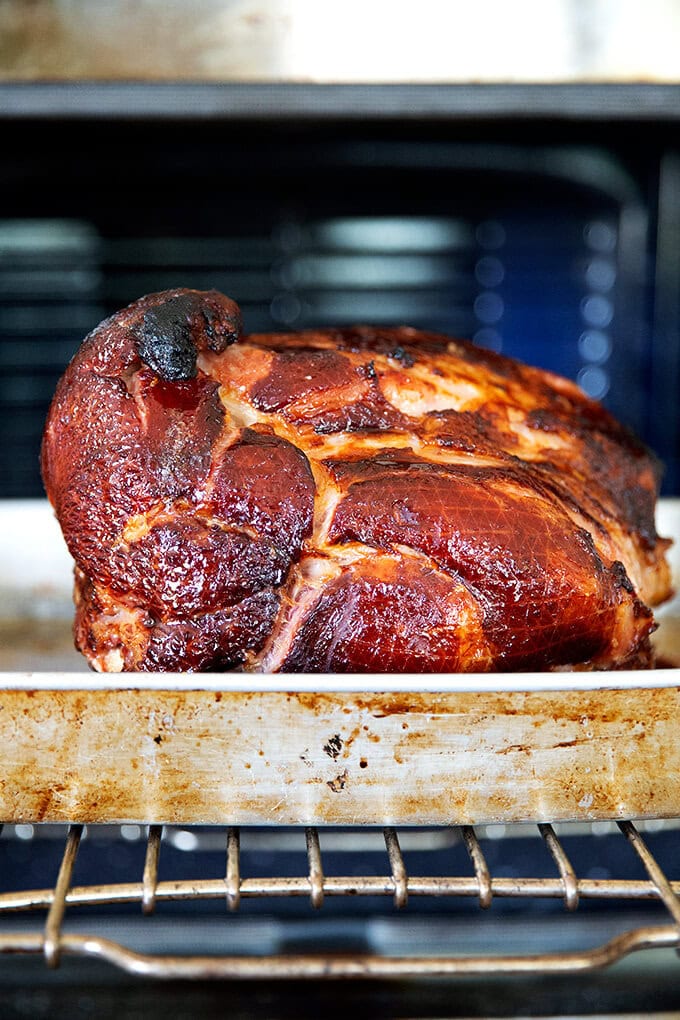
Easy Baked Ham: The Ultimate Brown Sugar & Apricot Glaze Recipe
Imagine a holiday centerpiece so magnificent, yet so deceptively simple to prepare, that it leaves your guests utterly delighted. We’re talking about a perfectly
baked ham, glistening with a sticky, sweet-savory glaze that infuses every tender, juicy bite. While grand roasts like Prime Rib or a succulent Roast Turkey often steal the show, a well-prepared
glazed baked ham offers unparalleled flavor with significantly less fuss. It’s a show-stopping dish that embodies comfort and celebration, making it an absolute must-have for Easter, Christmas, or any special occasion where you want to impress without the stress.
The beauty of a
baked ham, especially for novice cooks or busy hosts, lies in its convenience. Most hams available in stores come fully cooked, meaning your primary task isn't to "cook" the ham from raw, but rather to gently heat it through while "jazzing it up" with an extraordinary glaze. This article will guide you through creating the best brown sugar and apricot glaze – a secret weapon that transforms a simple ham into an unforgettable culinary experience.
The Secret to the Best Baked Ham: An Unforgettable Glaze
While the ham itself provides a delicious foundation, it's the glaze that truly elevates it from good to gourmet. Our signature brown sugar and apricot glaze is what makes this
baked ham recipe stand apart. It's a symphony of flavors designed to complement the inherent saltiness and richness of the ham, creating a balanced and incredibly addictive crust.
What makes this glaze so special? It’s a harmonious blend of:
- Brown Sugar: Provides deep caramel notes and essential sweetness.
- Apricot Preserves: Adds a beautiful fruity tang and a lovely pectin that helps the glaze adhere and thicken.
- Honey: Contributes an additional layer of sweetness and a natural stickiness for that desirable caramelized exterior.
- Dijon Mustard: A crucial ingredient that cuts through the sweetness with a subtle tang and a hint of spice, preventing the glaze from becoming cloying.
- Melted Butter: Enriches the glaze, adds a silky texture, and helps with browning.
This combination is more than just a list of ingredients; it's a carefully balanced concoction that coats the ham beautifully, creating a deliciously sticky, caramelized exterior while keeping the inside moist and tender. The pan drippings, infused with this magical glaze, become an incredible sauce to spoon over each slice of ham when serving. To ensure the glaze adheres perfectly, consider taking an extra few minutes to gently simmer and thicken it slightly before applying. This small step makes a significant difference in achieving that gorgeous, lacquered finish.
Before you even think about the glaze, selecting the right ham is key. Most grocery store hams are pre-smoked and fully cooked. Always double-check the label! If it says "fully cooked," you're primarily reheating it. If it says "cook before eating," it will require a longer cooking time to reach a safe internal temperature. For the most flavor and succulence, many chefs (and home cooks like us!) prefer a
bone-in ham. The bone not only imparts a deeper, richer flavor to the meat but also offers the wonderful bonus of a leftover ham bone, perfect for making hearty soups like our favorite Crock Pot Ham and Bean Soup.
To prepare your ham for glazing, consider lightly scoring the fat cap in a diamond pattern. This isn't just for aesthetics; it allows the glaze to penetrate deeper into the ham and creates more surface area for that delicious caramelized crust to form.
How to Master Baking Your Ham: Temperature, Time, and Tools
Baking a ham is remarkably straightforward, but a few key techniques will ensure a perfect result every time. The goal is to heat the ham through without drying it out, allowing the glaze to form a delectable crust. For a more comprehensive guide on achieving a perfect roast, check out our article on
How to Bake a Perfect Ham: Tips for Juicy Holiday Roasts.
Preparation and Initial Bake:
- Preheat your oven: Typically to 325°F (160°C). This lower temperature ensures gentle heating and prevents overcooking.
- Place the ham: Position your ham cut-side down in a sturdy roasting pan. This helps keep the flat surface moist. If your ham is spiral-cut, place it face down to prevent it from drying out during the initial cook.
- Seal with foil: Cover the ham tightly with aluminum foil, crimping it around the edges of your roasting pan. This creates a steamy environment that locks in moisture and keeps the ham from drying out.
Internal Temperature is Key:
The most crucial aspect of baking a ham, especially a pre-cooked one, is monitoring its internal temperature.
- For a fully cooked ham, you're aiming to heat it to an internal temperature of 140°F (60°C).
- For a "cook before eating" ham, the target is 160°F (71°C).
Do not rely solely on package instructions for cooking times, as oven calibrations vary, and ham sizes differ. This is where a reliable meat thermometer becomes your best friend. A digital probe thermometer, which you can leave in the ham while it cooks and monitor externally, is a small investment (often less than $20) that guarantees perfect results every time, preventing overcooked, dry meat.
Calculating Cooking Time:
As a general guideline, a fully cooked, bone-in ham typically requires about
12-14 minutes per pound at 325°F. So, a 9-pound ham would take approximately 2 ¼ hours. For a bone-in "cook before eating" ham, expect 18-20 minutes per pound. Always use the thermometer as your definitive guide, however.
Glazing and Finishing:
Apply the glorious brown sugar and apricot glaze during the final stages of baking.
- Remove the ham from the oven about 30-45 minutes before it's expected to reach its target temperature.
- Carefully remove the foil and generously brush the ham with your prepared glaze.
- Return the ham to the oven, uncovered, and continue baking. Reapply the glaze every 10-15 minutes until the ham reaches its desired internal temperature and the glaze has caramelized beautifully into a sticky, golden crust.
This final period of uncovered baking is essential for developing that desirable deep color and sticky texture that truly makes this an impressive holiday roast. For an even more spectacular finish and to learn tips for creating the perfect holiday spread, don't miss our comprehensive guide on
The Ultimate Glazed Baked Ham for Impressive Holiday Feasts.
Serving Suggestions & Savoring the Leftovers
Once your magnificent
baked ham is ready, let it rest for 10-15 minutes before carving. This allows the juices to redistribute, ensuring every slice is incredibly moist. Carve against the grain for maximum tenderness. Don't forget to spoon those incredible pan drippings, rich with the flavors of the brown sugar and apricot glaze, over each serving.
A glazed ham pairs beautifully with a variety of classic sides: creamy mashed potatoes, roasted asparagus or green beans, sweet potato casserole, buttery dinner rolls, or a crisp garden salad. The sweet-savory notes of the ham complement both rich and fresh accompaniments.
And the best part? Leftovers! A large
baked ham means delicious meals for days. Transform slices into gourmet ham sandwiches with a touch of Dijon, add diced ham to quiches or omelets, toss it into a hearty pasta dish, or make a comforting ham and pea soup. And, of course, that leftover ham bone is gold for simmering into a flavorful stock or soup base.
Conclusion
Preparing an easy
baked ham with our best brown sugar and apricot glaze is an achievable culinary triumph for any home cook. It promises a tender, juicy roast with a spectacularly caramelized crust that's bursting with sweet and savory notes. This dish isn't just a meal; it's a centerpiece, a tradition, and a guaranteed crowd-pleaser that will make your holiday table shine. So, gather your ingredients, trust your thermometer, and get ready to create a truly unforgettable feast that your friends and family will rave about for years to come.