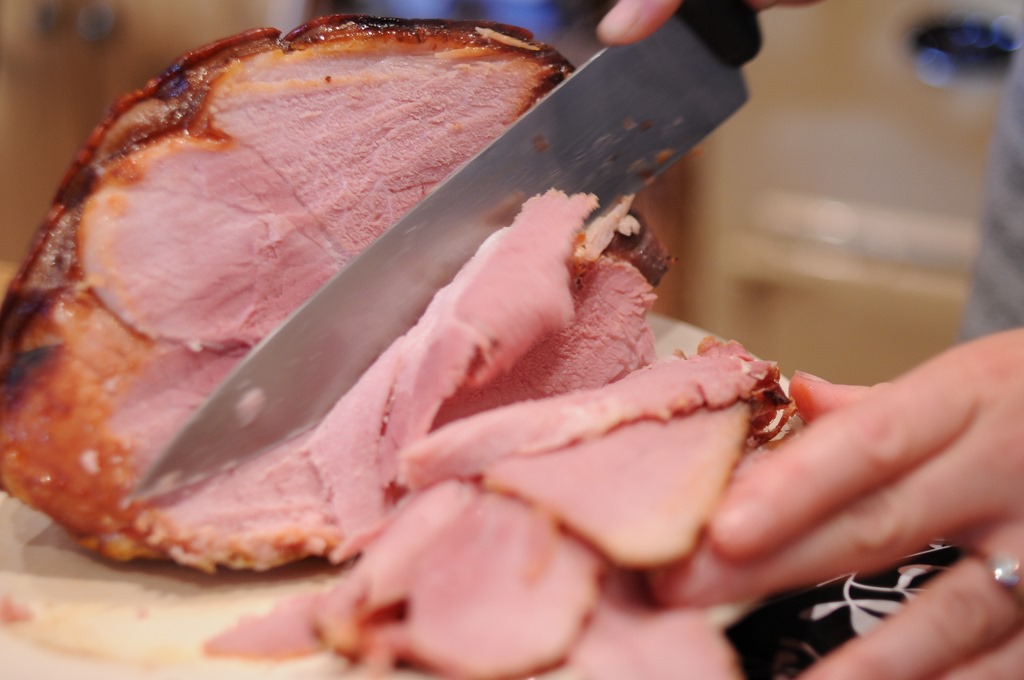
How to Bake a Perfect Ham: Tips for Juicy Holiday Roasts
The centerpiece of any holiday feast should be nothing short of spectacular. While prime rib and roasted turkey often steal the show, there’s a timeless classic that consistently delights friends and family: the perfectly
baked ham. Imagine a glistening, tender roast, infused with sweet and savory notes, its caramelized exterior giving way to succulent, juicy meat. It’s a show-stopping dish that, contrary to popular belief, is surprisingly simple to achieve. This comprehensive guide will equip you with all the tips and tricks you need to master the art of baking a ham that will have everyone asking for seconds.
Most hams purchased today are conveniently pre-cooked, which means your primary goal isn't to *cook* it, but rather to gently *reheat* it to a safe temperature while enhancing its flavor and creating that irresistible, sticky glaze. It’s truly about jazzing up an already delicious foundation. The magic, as many home cooks will attest, lies largely in that glorious glaze.
Choosing Your Ham: What You Need to Know Before You Bake
Before you even think about firing up the oven, selecting the right ham is crucial. Understanding the different types available will set you up for success.
*
"Fully Cooked" vs. "Cook Before Eating": This is perhaps the most critical distinction.
* Most hams you find in supermarkets are "fully cooked," meaning they've already been smoked or cured and require only reheating to an internal temperature of 140°F (60°C). This is the easiest and most common choice for holiday feasts.
* "Cook before eating" hams, on the other hand, are raw and must be cooked to a higher internal temperature of 160°F (71°C) for food safety. Always double-check the label on your ham for specific instructions.
*
Bone-In vs. Boneless:
* A
bone-in ham is often favored by culinary enthusiasts for its superior flavor and texture. The bone contributes depth of flavor to the meat during cooking, and many find the resulting slices more tender. Plus, a leftover ham bone is invaluable for making comforting soups like a hearty Crock Pot Ham and Bean Soup.
*
Boneless hams are easier to carve and can be more convenient, but sometimes lack the same depth of flavor and moisture.
*
Spiral-Cut vs. Whole/Half:
*
Spiral-cut hams are pre-sliced around the bone, making carving incredibly easy for serving. However, they can dry out more quickly if not properly covered, so extra attention to moisture is key.
*
Whole or half hams require carving but offer more control over moisture retention and can be excellent for larger gatherings.
For the best flavor and juiciest results, especially when making our recommended recipes, a bone-in fully cooked ham is generally preferred.
Crafting the Perfect Glaze: Sweet, Savory, and Sticky Perfection
The glaze is the heart and soul of a truly memorable
baked ham. It transforms a simple roast into a dazzling culinary masterpiece, infusing every bite with complexity and creating a beautifully caramelized, sticky exterior. While there are countless variations, some classic flavor profiles consistently deliver.
Our favorite glazes strike a balance between sweet, tangy, and savory notes. Imagine a rich blend of:
*
Brown Sugar: The quintessential ham glaze ingredient, providing deep molasses notes and caramelization.
*
Apricot Preserves (or Orange/Pineapple Juice): Adds a beautiful fruitiness and tangy brightness that cuts through the richness of the ham. Apricot is a particularly sophisticated choice, while pineapple or orange juice offer more traditional, vibrant flavors.
*
Honey: Contributes a delicate sweetness and helps create that glossy finish.
*
Dijon Mustard: A critical savory component. Dijon mustard adds a subtle pungency and acidity that balances the sweetness, preventing the glaze from being cloyingly sweet. It's an often-overlooked secret weapon.
*
Butter: For richness and sheen, helping the glaze adhere and melt into the ham.
The beauty of such a glaze is its simplicity. You typically whisk the ingredients together, and for an extra touch, you can take about four minutes to gently heat and thicken the mixture slightly. This thickening step is vital as it allows the glaze to cling beautifully to the ham, rather than just running off, creating that desirable sticky, lacquered coating. This is where the magic of caramelization truly comes alive in the oven. For a detailed recipe that ensures a perfect, sticky, and flavorful coating, check out our guide on
Easy Baked Ham: Best Brown Sugar & Apricot Glaze Recipe.
Baking Your Ham to Juicy Perfection: Step-by-Step Guide
Baking a ham might seem daunting, but it's a straightforward process that yields impressive results. The key is careful temperature management to ensure it's heated through without drying out.
1.
Preheat Your Oven: Start by preheating your oven to 325°F (160°C). A lower, slower temperature is ideal for reheating ham, as it helps maintain moisture and prevents the exterior from cooking too quickly.
2.
Prepare the Ham: If your ham has a thick skin or a lot of excess fat, you might want to score it in a diamond pattern before baking. This not only looks elegant but also allows the glaze to penetrate deeper into the meat. Place the ham cut-side down in a sturdy roasting pan (a 9x13 pan works well for most hams).
3.
Cover for Moisture: To prevent your ham from drying out during the initial baking phase, cover it tightly with aluminum foil. Crimp the foil securely around the edges of your roasting pan to create a seal. This traps steam and moisture, ensuring your ham remains incredibly juicy.
4.
Monitor with a Meat Thermometer: This is arguably the most important tip for a perfect
baked ham. Overcooked ham is dry ham, and it’s surprisingly easy to do without proper monitoring. An inexpensive digital meat thermometer (often less than $20) is an invaluable tool. Insert the probe into the thickest part of the ham, avoiding the bone.
* For a fully cooked ham, you’re aiming for an internal temperature of 140°F (60°C).
* For a "cook before eating" ham, aim for 160°F (71°C).
Leave the thermometer in the ham while it bakes and monitor its progress. This small investment guarantees perfect results every time, whether you're baking ham, pork tenderloin, or even steaks.
5.
Glaze Application: A general guideline for a bone-in fully cooked ham is to bake for about 12-14 minutes per pound. For instance, a 9-pound ham will take approximately 2 ¼ hours. About 30-60 minutes before the ham is expected to reach its target temperature (when it’s around 120-130°F for a fully cooked ham), remove the foil. Generously brush the ham with your prepared glaze.
6.
Caramelize and Finish: Return the uncovered, glazed ham to the oven. Continue baking, brushing with more glaze every 10-15 minutes, until the ham reaches the desired internal temperature and the glaze has caramelized beautifully into a sticky, golden-brown crust. If the glaze is browning too quickly, you can loosely tent it with foil again.
7.
Rest Before Carving: Once the ham reaches its target temperature, remove it from the oven, tent it loosely with foil, and let it rest for 15-20 minutes before carving. This resting period allows the juices to redistribute throughout the meat, ensuring every slice is incredibly moist and tender.
Expert Tips for a Truly Unforgettable Baked Ham
Elevating your
baked ham from good to unforgettable involves a few thoughtful touches and smart techniques.
*
Don't Discard the Drippings: The pan drippings, especially after the glaze has mingled with them, are liquid gold. Pour them over individual ham slices when serving to add an extra layer of flavor and moisture. You can also thicken them slightly to create an incredible savory gravy.
*
Scoring for Success: If your ham isn't spiral-cut, scoring the fat layer in a diamond pattern before baking not only enhances its visual appeal but also allows the glaze to seep into the meat more effectively, creating pockets of deliciousness. You can even place whole cloves in the center of each diamond for an aromatic touch.
*
Utilize Leftovers Creatively: A delicious
baked ham often means delicious leftovers! Beyond classic ham sandwiches, the leftover meat is fantastic in quiches, omelets, stir-fries, or diced into hearty soups (especially if you kept that ham bone!).
*
Consider a Stand for Presentation: For large, bone-in hams, a carving stand can make the process much easier and more elegant, especially if you're presenting it at the table.
*
Embrace Experimentation: While our recommended glazes are fantastic, don't be afraid to experiment. A little spicy kick from sriracha, a smoky flavor from liquid smoke, or unique fruit components like fig preserves can all create exciting new profiles. For more inspiration on creating a truly impressive holiday roast, take a look at
The Ultimate Glazed Baked Ham for Impressive Holiday Feasts.
Baking a perfect ham is a surprisingly simple yet incredibly rewarding experience. With the right selection, a mouth-watering glaze, and careful temperature control, you can create a juicy, flavorful centerpiece that will be the highlight of any holiday meal. So go ahead, embrace the ease and joy of baking ham, and prepare to impress your guests with a truly unforgettable feast!