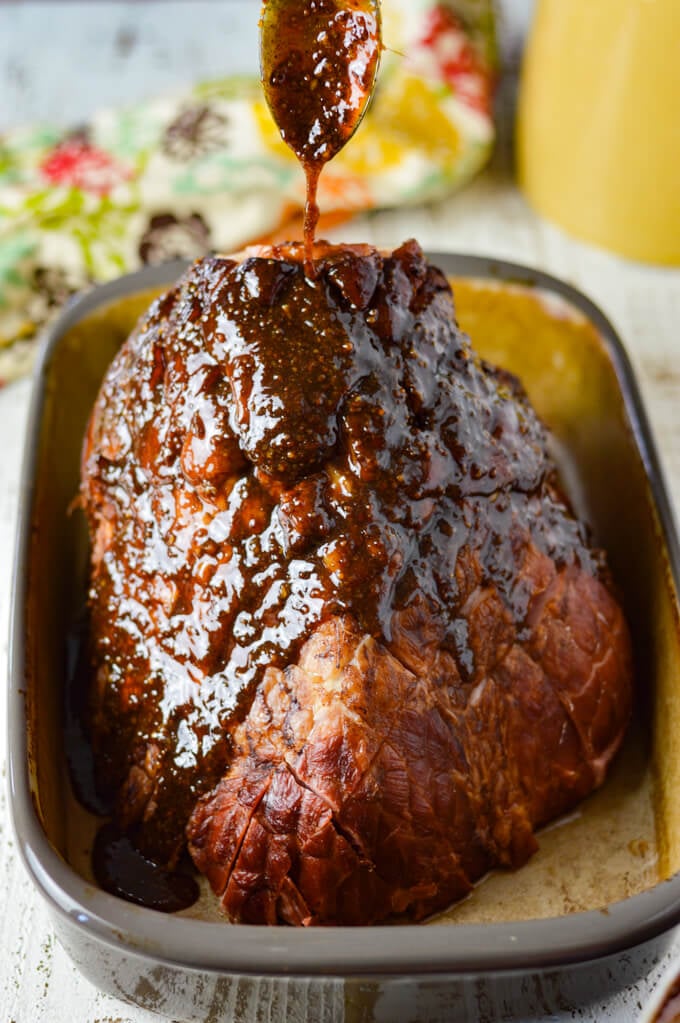
The Ultimate Glazed Baked Ham for Impressive Holiday Feasts
Few dishes command attention on a holiday table quite like a perfectly glazed baked ham. With its glistening, caramelized exterior and succulent, tender interior, it’s a show-stopping centerpiece that promises to delight guests and create lasting memories. While other holiday roasts like turkey or prime rib certainly have their charm, a well-prepared baked ham offers an unparalleled blend of sweet and savory flavors, remarkable juiciness, and surprising ease of preparation. This isn't just a meal; it's an experience, a centerpiece that embodies the festive spirit.
Forget the intimidation factor – mastering an impressive baked ham is simpler than you might imagine. The secret lies not just in the quality of the ham itself, but in a truly outstanding glaze that transforms a simple roast into a culinary masterpiece. We're here to guide you through every step, ensuring your holiday ham is nothing short of spectacular, leaving your friends and family wide-eyed and eager for more.
Why Baked Ham Steals the Show at Your Holiday Table
In a world of culinary choices, why does baked ham consistently rank as a top contender for holiday menus, often outshining other popular roasts? For many, it's the ultimate comfort food, a nostalgic centerpiece that evokes warmth and celebration. Unlike the often-debated dryness of turkey, a good baked ham is almost guaranteed to be tender and juicy, especially when handled with care. It's also remarkably kid-friendly, with its sweet and savory profile appealing to even the pickiest eaters – indeed, for many families, ham is the preferred holiday main course over all others!
Beyond its deliciousness, the perceived "wow factor" of a glazed baked ham is surprisingly easy to achieve. Most hams available in stores are pre-cooked and smoked, meaning your primary task is to heat it through and, crucially, to apply a magnificent glaze. This makes it far less daunting than preparing a raw roast from scratch, allowing you more time to enjoy your guests and the festive atmosphere. Whether it's Easter, Christmas, or any special occasion, a beautifully glazed baked ham is a reliable crowd-pleaser that delivers on both flavor and presentation, proving that sometimes, the simplest pleasures are the most profound.
Crafting the Irresistible Glaze: The Heart of Your Baked Ham
While the ham itself provides a robust foundation, it's truly the glaze that elevates a good baked ham to an extraordinary one. A thoughtfully concocted glaze doesn't just add a layer of sweetness; it infuses every bite with complex flavors, creating a beautifully caramelized crust that is both visually stunning and incredibly delicious. This isn't merely a coating; it's an integral part of the ham's flavor profile, making it memorable.
The Magic Ingredients for a Perfect Glaze
The best glazes achieve a harmonious balance of sweet, tangy, and savory notes, designed to complement the inherent saltiness and richness of the ham. Our favorite recipe relies on a simple yet powerful combination of ingredients that work together seamlessly:
- Brown Sugar: The foundation of sweetness, providing depth and encouraging beautiful caramelization. Both dark and light brown sugar can be used, with dark offering a richer molasses flavor.
- Apricot Preserves: This is a game-changer, adding a fruity, tangy brightness that cuts through the richness of the ham and brown sugar, contributing a delightful stickiness.
- Honey: Another layer of natural sweetness and viscosity, contributing to the glaze's luscious texture.
- Dijon Mustard: Don't skip this! Dijon adds a crucial savory, pungent kick that balances the sweetness, preventing the glaze from becoming cloying. It also aids in emulsification.
- Butter: For richness and gloss, ensuring a smooth and flavorful glaze that adheres wonderfully.
- Pineapple or Orange Juice: Often included for an extra splash of fruitiness and to thin the glaze slightly if needed, while adding another dimension of flavor.
This simple combination creates a glaze that is both easy to prepare and incredibly flavorful, forming a sticky, caramelized crust on the ham. A wonderful bonus? These ingredients also infuse the pan drippings with incredible flavor, which can then be spooned over individual slices of ham for an extra burst of deliciousness. For a comprehensive guide to crafting this exquisite glaze, along with step-by-step instructions, be sure to check out our detailed recipe: Easy Baked Ham: Best Brown Sugar & Apricot Glaze Recipe.
Thickening Your Glaze for Superior Adhesion
While a liquid glaze will certainly add flavor, taking an extra step to slightly thicken it can make a significant difference in the final presentation and taste. A thicker glaze adheres better to the ham, creating a more substantial and even caramelized coating. This translates to more flavor in every bite and a more visually appealing finish. This process typically takes only a few minutes – simply simmer the glaze ingredients gently over low heat, stirring occasionally, until it coats the back of a spoon. This small investment of time yields a noticeably superior result, ensuring your ham has that beautiful, sticky sheen you crave.
Mastering the Bake: From Package to Plate
Baking a ham is surprisingly straightforward, primarily because most hams purchased today are already smoked and fully cooked. This means you're largely just reheating it to a safe temperature while adding a fantastic glaze. However, understanding a few key principles will ensure your ham is perfectly moist and flavorful, never dry or overcooked.
Understanding Ham Types and Cooking Temperatures
The most critical first step is to carefully read your ham's packaging. The cooking instructions will vary based on whether you've purchased a "fully cooked" or "cook before eating" ham:
- Fully Cooked Ham: This is the most common type. Since it's already cooked, you're merely reheating it to an internal temperature of 140°F. Overcooking will dry it out.
- Cook Before Eating Ham: This type requires proper cooking to an internal temperature of 160°F to be safe for consumption. While less common for holiday roasts, always verify your ham's type.
This distinction is crucial for both food safety and ensuring the ham remains succulent. Always err on the side of caution and consult your ham's specific instructions.
Essential Baking Techniques for a Juicy Baked Ham
Once you understand your ham type, the baking process is quite simple:
- Preheat Your Oven: Ensure your oven reaches the specified temperature before placing the ham inside for even cooking.
- Positioning the Ham: Place the ham cut-side down in a sturdy roasting pan (a 9x13 inch pan often works well for standard sizes). This helps retain moisture.
- Cover and Seal: Cover the ham tightly with aluminum foil, crimping it securely around the edges of your roasting pan. This creates a steamy environment that prevents the ham from drying out during the initial cooking phase.
- Strategic Glazing: While you'll cover the ham for most of its baking time, the glaze is applied towards the end. This allows the sugars to caramelize without burning. You'll remove the foil, brush generously with the glaze, and return it to the oven, basting every 10-15 minutes until the glaze is beautifully browned and sticky.
For more detailed insights into perfecting your holiday roast, including advanced tips and troubleshooting, explore our guide: How to Bake a Perfect Ham: Tips for Juicy Holiday Roasts.
The Critical Role of a Meat Thermometer
If there's one piece of advice we can offer to guarantee a perfect baked ham every single time, it's to invest in a reliable meat thermometer. This inexpensive tool (many excellent ones cost less than $20) is your best friend in preventing overcooked, dry ham. While ham package instructions provide estimated cooking times (typically 12-14 minutes per pound for a bone-in, fully cooked ham), these are merely guidelines. Oven calibration, ham shape, and bone presence can all affect actual cooking time.
A leave-in probe thermometer allows you to continuously monitor the ham's internal temperature without repeatedly opening the oven, ensuring you pull it out at precisely the right moment. This small investment will not only save your holiday ham but will also prove invaluable for cooking everything from steaks to pork tenderloin to perfection.
Bone-In vs. Boneless: Enhancing Flavor and Leftovers
While boneless hams are convenient, many culinary enthusiasts advocate for bone-in hams, and for good reason. A bone-in ham tends to yield a more flavorful and tender meat. The bone itself imparts a subtle depth of flavor to the surrounding meat as it cooks, resulting in a richer, more complex taste profile. Additionally, the bone helps to insulate the meat, contributing to a more even cooking process and helping to keep it moist.
Beyond the immediate culinary benefits, a bone-in ham provides a fantastic bonus: the ham bone. This can be used as the flavorful foundation for a myriad of delicious dishes, such as hearty Crock Pot Ham and Bean Soup, adding incredible depth to broths and stews. For a fully cooked, bone-in ham, a general rule of thumb for cooking time is about 12-14 minutes per pound. So, a 9-pound ham would take approximately 2 ¼ hours to reach the ideal internal temperature of 140°F. Always remember to verify with your meat thermometer, as package guidelines are estimates!
Elevating Your Baked Ham Experience: Serving Suggestions & Leftovers
Once your glazed baked ham emerges from the oven, glistening and fragrant, allow it to rest for 15-20 minutes before carving. This crucial step allows the juices to redistribute, ensuring every slice is incredibly tender and moist. When serving, be sure to generously spoon some of those incredible, glaze-infused pan drippings over each portion – it's pure liquid gold!
Pair your magnificent ham with classic holiday sides like creamy mashed potatoes, roasted asparagus or green beans, sweet potato casserole, or a fresh, crisp salad to balance the richness. But the enjoyment doesn't end with the main meal! Leftover baked ham is incredibly versatile. Repurpose it into delectable sandwiches, hearty quiches, breakfast scrambles, flavorful omelets, comforting mac and cheese with ham, or use it to infuse bean soups with its smoky goodness. Your impressive holiday feast can provide delicious meals for days to come!
Conclusion
Creating the ultimate glazed baked ham is a remarkably rewarding culinary endeavor, far simpler than its impressive appearance might suggest. By focusing on a few key elements – the magic of a balanced, caramelized glaze, the importance of knowing your ham type and using a meat thermometer, and the simple techniques of covered baking and strategic glazing – you can achieve a truly unforgettable centerpiece for any holiday or special occasion. So, embrace the festive spirit, don your apron, and prepare to delight your loved ones with a succulent, sweet-and-savory baked ham that will undoubtedly steal the show and become a cherished tradition for years to come.
